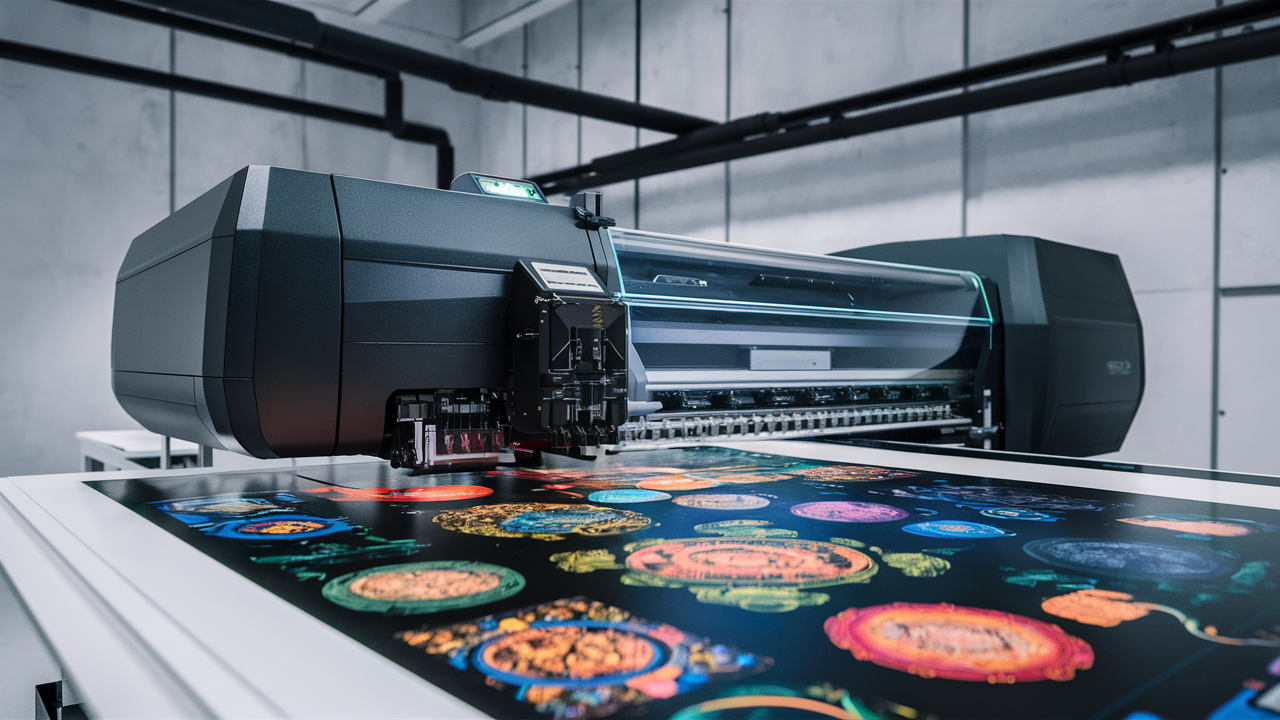
A sublimation printer has become one of the most essential tools for businesses, hobbyists, and creators who work with custom merchandise, personalized gifts, and high-quality textile printing. The popularity of sublimation printing continues to grow because it produces vivid, long-lasting, and professional-grade results on a wide range of products. From T-shirts and mugs to phone cases, mousepads, and promotional items, sublimation printers allow users to transform digital designs into vibrant physical prints with exceptional durability. In this comprehensive guide, we explore everything you need to know about sublimation printers, including their features, benefits, applications, and the factors to consider before choosing the right model for your needs.
Understanding What a Sublimation Printer Is
A sublimation printer is a specialized printing device designed to transfer dye onto heat-resistant materials using a process known as dye-sublimation. This technology relies on heat and pressure to convert solid dye particles into a gas without passing through a liquid stage, allowing the colors to bond permanently with polyester-coated surfaces or fabrics that contain high polyester content. The result is a design that becomes part of the material rather than sitting on top of it, creating prints that are vibrant, durable, and resistant to fading or cracking. This makes sublimation one of the most reliable methods for producing high-quality custom products.
How a Sublimation Printer Works
A sublimation printer works by using specialized sublimation ink and transfer paper. The printer first prints a mirrored version of the design onto sublimation paper. Once the printing is complete, the printed sheet is placed onto the target substrate, such as a T-shirt, ceramic mug, or coated metal panel. A heat press is then used to apply intense heat and pressure, causing the ink to vaporize and penetrate the polymer surface of the material. As the item cools, the ink solidifies inside the fibers or coating, becoming a permanent part of the product. This process ensures the print will never peel, crack, or wash out, making sublimation a favorite method for long-lasting, high-quality personalization.
Benefits of Using a Sublimation Printer
There are countless benefits to using a sublimation printer, particularly for creative professionals, small business owners, and craft enthusiasts. One of the main advantages is the vivid color reproduction, which delivers stunning, photo-quality images that maintain their brilliance over time. Additionally, sublimation prints are extremely durable because the ink actually becomes part of the material itself. This leads to long-lasting products that can endure washing, sunlight exposure, and regular use without showing signs of fading. Moreover, sublimation printing supports customization across an impressive variety of products, making it an excellent option for entrepreneurs looking to expand into personalized merchandise, corporate branding, event giveaways, and promotional goods.
Sublimation Printer vs. Heat Transfer Printer
Many beginners often confuse sublimation printers with heat transfer printers, but the two technologies operate very differently. A heat transfer printer prints designs onto a film or transfer sheet that is later pressed onto a surface, where the design sits on top of the material. These prints may peel or crack over time, especially on fabric. In contrast, a sublimation printer infuses the ink into the substrate, making the print a permanent part of the material itself. This results in a higher-quality, longer-lasting finish that feels smooth and natural to the touch. For customers or businesses seeking premium-quality results, sublimation printing offers unmatched performance and durability.
Key Features to Look for When Buying a Sublimation Printer
When choosing the right sublimation printer, it is important to consider several key features to ensure that the machine meets all your printing needs. Print size is one of the most important factors, as some printers support only small sheets, while others handle large-format printing suitable for blankets, banners, and signage. Print resolution also matters because higher DPI ensures sharper, smoother images. Users should also consider the ink delivery system, cartridge efficiency, color accuracy, and ease of maintenance. Additionally, compatibility with commonly used design software and availability of affordable replacement inks can greatly influence long-term operating costs.
Best Sublimation Printer Brands for Reliable Performance
Several major brands produce high-quality sublimation printers suitable for both beginners and advanced users. Epson is widely recognized as a leader in sublimation technology due to its efficient print heads and vibrant ink systems. Sawgrass is another respected brand specifically designed for sublimation, offering excellent reliability, warranty support, and built-in design software. Brother, Canon, and Ricoh also manufacture printers that can be converted for sublimation with the correct inks and paper. Choosing a reputable brand ensures consistent performance, availability of replacement parts, and dependable print results.
Conclusion
A sublimation printer is a powerful and versatile tool that unlocks endless creative possibilities for custom merchandise, personalized gift, and professional-quality prints. Whether you’re starting a small business, expanding your product offerings, or exploring a creative hobby, sublimation printing provides unparalleled durability, color vibrancy, and product diversity. By understanding how sublimation works, knowing what features to look for, and choosing a reliable brand, you can make a confident investment that delivers impressive results for years to come.
FAQ
1. What can I print with a sublimation printer?
You can print on polyester fabrics, coated mugs, ceramics, phone cases, aluminum sheets, mousepads, keychains, and many other sublimation-friendly materials.
2. Do I need a special printer for sublimation?
Yes, sublimation requires printers designed for or converted to use sublimation ink and sublimation paper.
3. Is sublimation printing profitable for small businesses?
Absolutely. Sublimation offers high profit margins due to low production costs and strong demand for personalized products.
4. Can sublimation printing work on cotton?
Pure cotton is not suitable for sublimation, but cotton-poly blends or polyester-coated products work perfectly.
5. What type of software is needed for sublimation printing?
Most users rely on Photoshop, Illustrator, CorelDraw, or specialized software from brands like Sawgrass.