NS Mainframe technology represents a critical backbone for enterprise computing, powering some of the most robust, secure, and high-performance systems in modern business. Organizations across finance, healthcare, logistics, government, and large-scale enterprises rely on mainframe computing to handle massive volumes of data, run mission-critical applications, and ensure uninterrupted operations. Unlike conventional servers or cloud-only architectures, mainframes are designed for reliability, scalability, and security, making them indispensable for organizations where downtime is not an option. This article provides an in-depth exploration of NS Mainframe systems, including their architecture, benefits, use cases, best practices, and future trends, while offering a comprehensive guide optimized for search engines to help businesses, IT professionals, and technology enthusiasts understand their value.
What Is NS Mainframe? Understanding Enterprise Computing
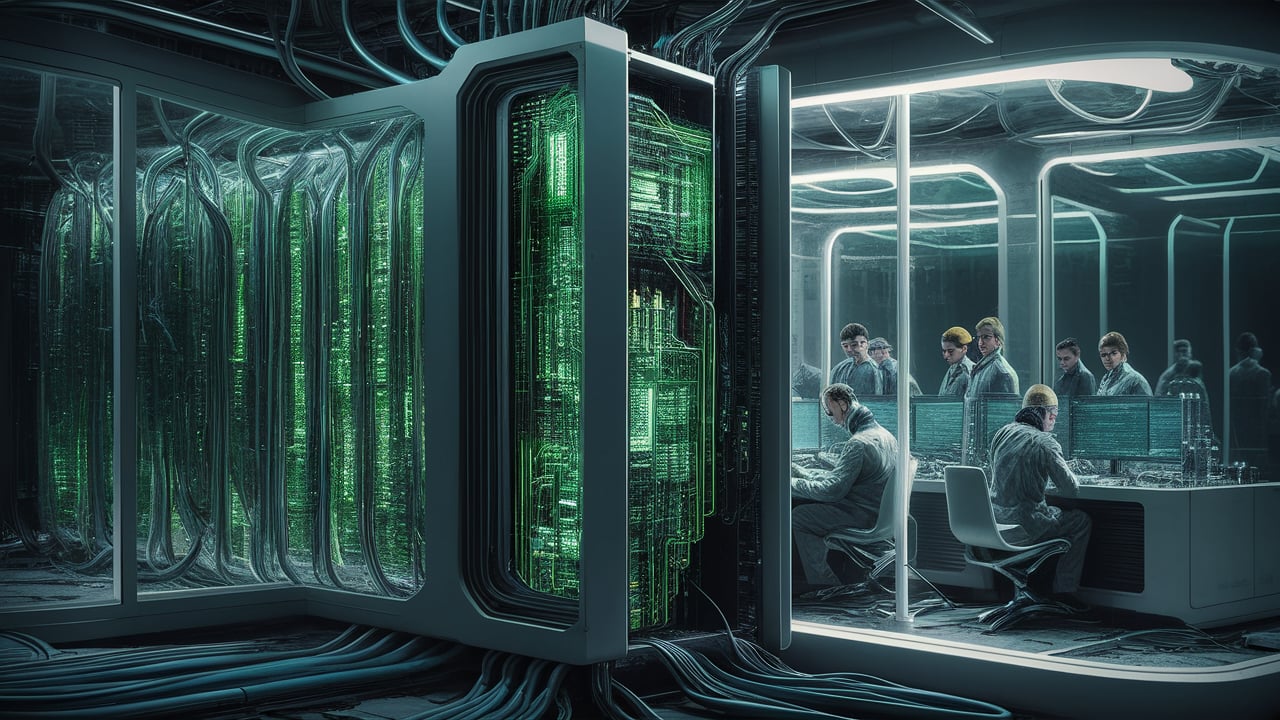
The term NS Mainframe refers to a class of high-performance computing systems designed for large-scale, mission-critical enterprise operations. Unlike typical servers, mainframes are engineered to process enormous volumes of transactions, support thousands of simultaneous users, and maintain near-perfect uptime. They feature robust hardware architecture, specialized operating systems, and enterprise-grade software that collectively ensure reliability, speed, and security. NS Mainframe systems often serve as the core infrastructure for banking transactions, insurance processing, airline reservation systems, government databases, and large-scale logistics, where accuracy and availability are paramount.
Key Features of NS Mainframe Technology
NS Mainframe systems are distinguished by several critical features. First, they provide high throughput, allowing organizations to process millions of transactions per second with minimal latency. Second, scalability enables enterprises to expand their computing power as data demands grow without significant architecture changes. Third, fault tolerance and redundancy ensure that the system continues operating even when individual components fail, guaranteeing uninterrupted service. Fourth, NS Mainframes integrate advanced security protocols, including encryption, access control, and compliance with industry regulations. Finally, mainframes support virtualization, allowing multiple workloads to operate independently and securely on a single machine, optimizing resource utilization.
Applications of NS Mainframe Across Industries
NS Mainframe systems are integral to industries that require high reliability and massive data processing. In banking and finance, mainframes manage credit card transactions, banking records, fraud detection systems, and real-time financial analytics. Healthcare providers leverage mainframes for electronic medical records, patient data management, and large-scale health insurance processing. In government and public administration, NS Mainframes handle citizen databases, tax systems, and social security management, ensuring secure and accurate processing of sensitive data. Additionally, logistics and transportation sectors use mainframes for supply chain management, airline reservation systems, and real-time inventory tracking. These applications demonstrate the unmatched stability, security, and performance of mainframe systems in critical operations.
How NS Mainframe Ensures Security, Reliability, and High Availability
One of the main reasons enterprises rely on NS Mainframe is its unmatched security and reliability. Mainframes use advanced encryption and multi-layer authentication to safeguard sensitive data. High availability is achieved through redundant processors, multiple power sources, and sophisticated backup mechanisms that allow seamless failover in case of hardware failure. Furthermore, NS Mainframe systems are designed with disaster recovery in mind, ensuring minimal disruption during natural disasters, cyberattacks, or operational errors. These features collectively make mainframes ideal for mission-critical applications where downtime or data breaches can have significant financial and reputational consequences.
Modernization Trends and the Future of NS Mainframe
The role of NS Mainframe is evolving with the emergence of cloud computing, artificial intelligence, and modern enterprise requirements. Organizations are increasingly integrating mainframes with hybrid cloud architectures, enabling them to combine the reliability of mainframes with the flexibility of cloud services. AI-powered analytics and machine learning are being applied to mainframe workloads to improve efficiency, predictive maintenance, and real-time decision-making. Furthermore, mainframe modernization involves updating legacy systems to support modern programming languages, APIs, and DevOps practices, ensuring that NS Mainframe continues to serve as a vital backbone of enterprise IT infrastructure well into the future.
Conclusion
NS Mainframe systems are the cornerstone of high-performance, secure, and reliable enterprise computing. Their unique combination of scalability, fault tolerance, and massive processing power allows organizations to manage mission-critical applications across multiple industries, including finance, healthcare, government, and logistics. As technology continues to advance, mainframes are evolving to integrate with cloud solutions, AI, and modern software practices, ensuring they remain relevant and indispensable. Understanding NS Mainframe technology, its features, applications, and modernization strategies is essential for enterprises looking to maintain operational excellence, data security, and competitive advantage.
FAQ About NS Mainframe
1. What is NS Mainframe?
NS Mainframe is a high-performance computing system designed for large-scale, mission-critical enterprise applications that require reliability, security, and high throughput.
2. Which industries use NS Mainframe?
Industries such as banking, finance, healthcare, government, logistics, and airline operations rely heavily on mainframe systems.
3. Why is NS Mainframe so secure?
It employs advanced encryption, access control, compliance protocols, and fault-tolerant hardware to ensure data protection and operational continuity.
4. Can NS Mainframe integrate with modern cloud solutions?
Yes, hybrid cloud integration is increasingly used to combine mainframe reliability with cloud flexibility and scalability.
5. What is the future of NS Mainframe technology?
Future trends include cloud integration, AI-driven analytics, modernization of legacy systems, and continued use as a critical backbone for enterprise computing.