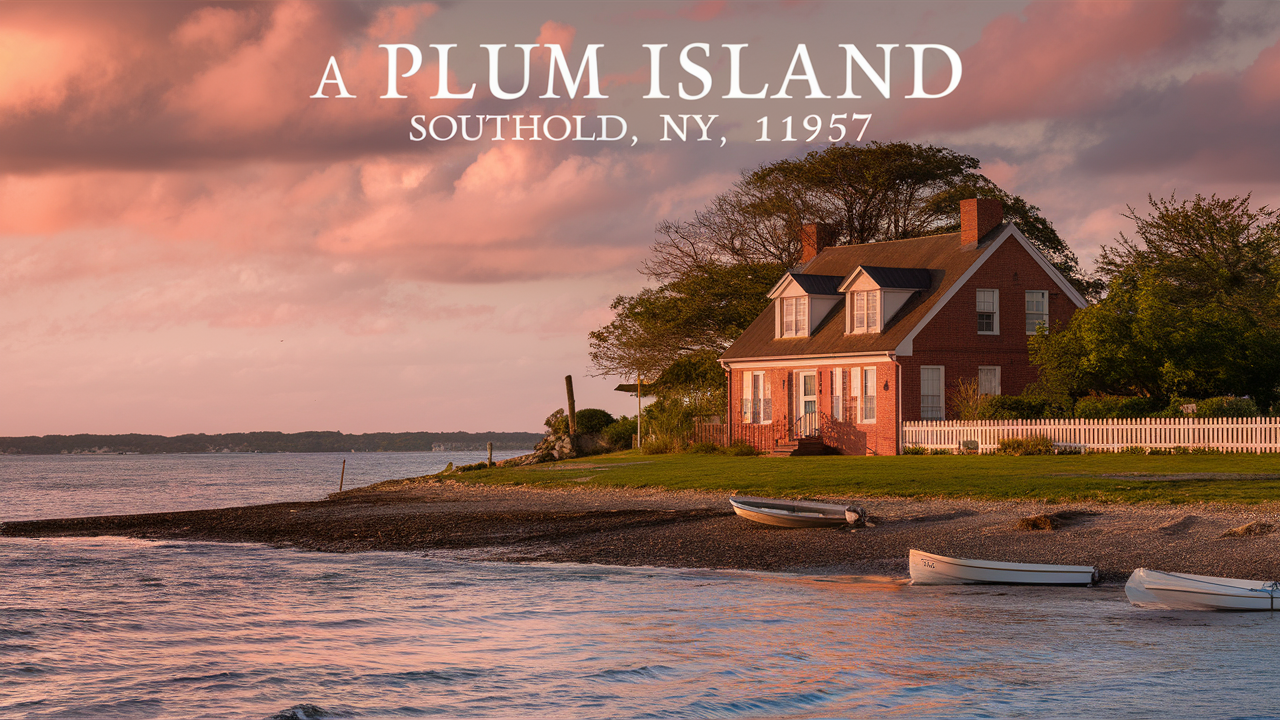
Plum Island Southold NY 11957 has long been a subject of curiosity, fascination, and speculation due to its unique history, restricted access, and important scientific role off the coast of Long Island. Although the island is geographically close to Southold, its world feels completely separate because public entry is not allowed, and access is strictly controlled. For decades, Plum Island Southold NY 11957 has been home to a major research facility, extensive wildlife habitats, and layers of historical significance dating back centuries. Whether someone is searching for the island’s origins, its purpose, or the reason behind the mystery that surrounds it, Plum Island continues to capture national attention. This detailed guide explores its history, geography, research background, environmental importance, and why the island remains one of the most talked-about locations in New York.
Understanding the Location of Plum Island Southold NY 11957
Plum Island Southold NY 11957 is located just off the eastern tip of Long Island, sitting near the boundary between the Long Island Sound and the Atlantic Ocean. Although physically close to the town of Southold, the island operates independently due to federal restrictions. This proximity creates a unique connection between the residents of Southold and the island, as many people who live in the region see Plum Island regularly without ever having the chance to visit it. The location is also strategically important from both a scientific and environmental perspective. Its remote setting provides privacy for research operations while simultaneously preserving pristine stretches of natural coastline, grasslands, and ecological habitats. The isolation makes Plum Island a rare protected site, uninterrupted by tourism, development, or commercial expansion, which adds to its intrigue and importance.
Historical Background of Plum Island Southold NY 11957
The history of Plum Island Southold NY 11957 stretches back hundreds of years. The island was originally known to Indigenous communities before later being recognized by European settlers. Throughout history, the island served different roles, including military uses, lighthouse operations, and eventually scientific research. One of its most recognizable historical landmarks is Plum Island Lighthouse, constructed in the 19th century to guide ships navigating the critical waters between Connecticut and Long Island. Over time, the lighthouse became a symbol of both the island’s maritime significance and its evolving identity. As the world changed and scientific needs grew, Plum Island transitioned toward a more research-oriented function, eventually becoming home to a major federal research center. This long historical timeline shaped Plum Island’s reputation as a location filled with heritage, science, and mystery.
Plum Island Research Center and Restricted Access
A major reason Plum Island Southold NY 11957 is widely known is due to the Plum Island Animal Disease Center (PIADC), a long-running federal research facility. Because the facility handles sensitive research related to animal health, invasive species, and agricultural protection, the island is closed to the general public. This strict regulation has contributed to its mysterious reputation, as many people wonder what exactly happens on an island that they can see but cannot enter. The facility’s purpose, however, has historically centered on safeguarding U.S. agriculture from foreign animal diseases. Due to the nature of the research, only authorized personnel can access the island through a controlled ferry system. The combination of science, security, and inaccessibility has made Plum Island a topic of documentaries, books, and ongoing public curiosity.
Wildlife and Natural Ecology on Plum Island
Beyond the research center, Plum Island Southold NY 11957 is also home to one of the most undisturbed natural environments on the northeastern coast. Because the island has limited human activity, its ecosystems have thrived in ways rarely seen in more developed areas. Plum Island supports diverse wildlife populations, including migratory birds, endangered species, and marine life that depend on the untouched shoreline. Its grasslands, wetlands, and coastal dunes create a complex ecological network that has drawn interest from conservationists and environmental organizations. Many experts believe Plum Island could become a major wildlife refuge if ever opened to the public in a controlled or conservation-focused manner. The island’s ecological value is one of the strongest arguments for long-term environmental preservation.
Community Impact: Plum Island and Southold NY 11957
Although access to Plum Island Southold NY 11957 is restricted, the island plays an important role in the identity and local discussions within Southold. Residents often see the ferry, research workers, or news updates related to the island. Many people in the region are invested in the ongoing debates about the future of Plum Island — especially discussions surrounding preservation, redevelopment, or potential public access. Some argue that the island should remain preserved due to its wildlife ecosystems, while others express interest in controlled tourism, historical exploration, or scientific education. The topic continues to be part of community planning, environmental groups, and long-term decision-making for Southold and the surrounding region.
Why Plum Island Southold NY 11957 Continues to Capture Public Interest
The ongoing intrigue around Plum Island Southold NY 11957 is tied to a combination of secrecy, history, government research, environmental richness, and the simple fact that people are naturally curious about places they cannot visit. Over time, the island has become the subject of speculation, fictional stories, and public debates. Despite these rumors, the real interest lies in what the island genuinely represents: a blend of scientific importance, historical legacy, and ecological rarity. As discussions about the island’s future continue, the fascination surrounding Plum Island is likely to grow even more.
Conclusion
Plum Island Southold NY 11957 is a rare and fascinating place where history, science, and nature intersect in a way that captivates locals, researchers, and curious observers alike. Its remote location, longstanding research facility, preserved ecosystems, and restricted access create an atmosphere of mystery and significance. While the island remains off-limits to the public, it continues to influence conversations about environmental preservation, scientific progress, and local planning. Understanding the layers of Plum Island offers a clearer picture of why it remains one of New York’s most intriguing and discussed destinations. As interest in Plum Island Southold NY 11957 continues to rise, so does the importance of appreciating its past, its purpose, and its potential future.
FAQ About Plum Island Southold NY 11957
1. Can the public visit Plum Island Southold NY 11957?
No, the island is restricted due to federal research operations. Public access is not allowed.
2. Why is Plum Island famous?
Plum Island is known for the Plum Island Animal Disease Center, its ecological importance, and its long-standing association with secrecy and restricted access.
3. Where is Plum Island located?
It is located just off the coast of Southold in Suffolk County, New York, within ZIP code 11957.
4. Does anyone live on Plum Island?
There are no permanent public residents; only authorized staff may stay temporarily for work-related duties.
5. What is the future of Plum Island?
Plans have varied, including proposals for wildlife conservation, research continuation, or preservation. Discussions about the island’s future are ongoing.